
The past years have witnessed a massive increase in world demand for avocados as consumers are becoming more health-conscious, sustainable, and premium. Kenya, as one of the largest exporters, has proved to be a reliable source of quality avocados like the Hass variety.
Kenyan Hass avocado exporters are gaining the capacity to respond to international standards as the climate is favourable, certification regimes are enhanced, and the export protocols are strong.
In this article, we discuss what makes the Kenyan Hass avocado unique, market prospects, quality and sustainability concerns, and how supply chains are becoming reliable.
The Global Demand for Hass Avocados
Avocados are now a part of the diet in many households as a superfood and are driving expansion in dominated markets like North America and Europe, and more recently, Asia and the Middle East.
In 2023, export-quality avocados, fresh or dried, had an export value of USD 140.94 million, which equated to approximately 122.58 kg. Some of the best markets of the Kenyan avocado include the Netherlands, the United Arab Emirates, France, Spain, and Turkey.
To importers, this trend is a sign that Kenya is not just expanding in terms of volume but also market diversification. The projections given in the year 2025 show that the avocado export revenues in Kenya will reach about USD $175 million due to the rising production and the rising demand.
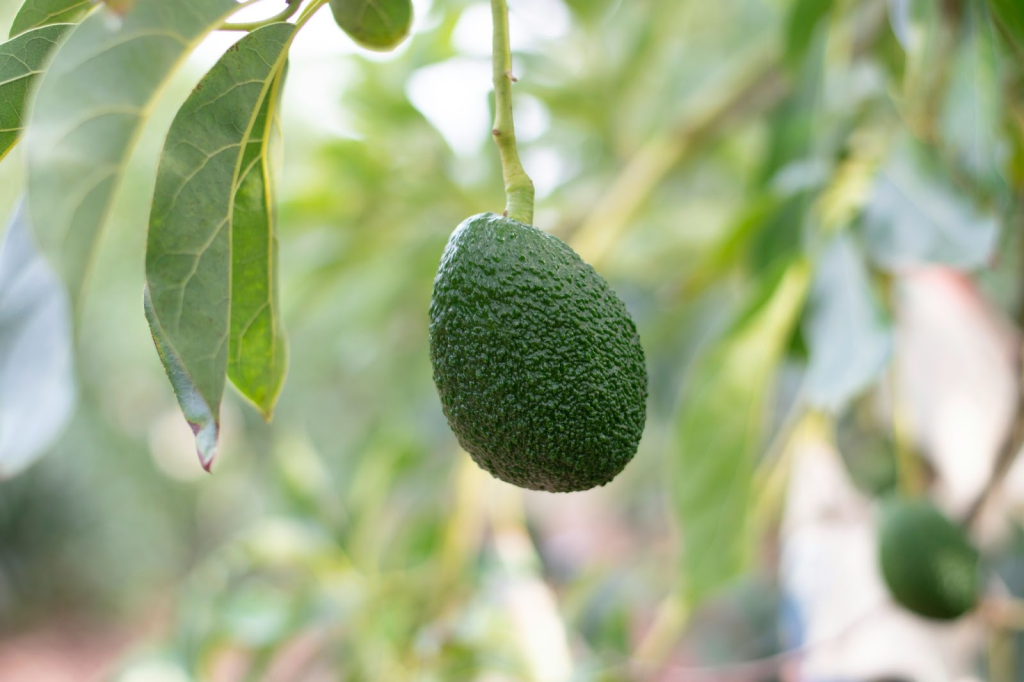
Why Kenyan Hass Avocados Stand Out
Kenyan Hass avocados have a number of characteristics that are particularly appealing to importers:
- Climate and geography: Avocado is commonly cultivated in 42 out of 47 counties in Kenya, with most of the highest production rates in high altitude regions, which contribute toward the attainment of good fruit size, quality, and consistency.
- Hass variety control: Hass is currently around 70 percent of Kenya’s avocadoes. Its hardness, shelf life, feel, and overall preference in the market make it the best kind to export to the market.
- Smallholder farmers and scale: Smallholder farmers contribute approximately 70 percent of all the avocado production. Farm sizes may be small, but together they comprise the sizable export capacity of Kenya.
- Certifications: The certification standards, such as GlobalGAP, Organic, and Fairtrade, are followed by many farms and exporters and are becoming mandatory in the European markets. These certifications increase confidence regarding food safety, traceability, and environmental responsibility.
Export Market Opportunities for Kenyan Avocados
Kenya has swiftly established itself as a significant player in the world avocado market, whose export business is growing annually. Europe is one of the most lucrative markets for Kenyan Hass avocado, with the Netherlands acting as a strategic point of entry.
The fruit is shipped to Spain, France, and Germany, among others, to ensure demand is met, where it has a growing avocado export market in the Dutch ports. The United Arab Emirates (UAE) has emerged as a credible purchaser, serving as a portal into the broader markets of the Middle East.
The statistics provided by World Integrated Trade Solution (WITS) and the USDA show that these destinations always take in a significant portion of Kenya’s avocado exports. This indicates the level of confidence that the nation has gained as a supplier.
In addition to these known markets, the interest of Asia, especially China, is also increasing. Even though deliveries to China have occasionally become sluggish because of regulatory and logistical obstacles, the prospect is substantial.
Through investment in compliance and logistics, Kenyan exporters would be able to exploit the increased demand for avocados in Asia and establish the area as their own market. In the meantime, Europe and the Middle East are still offering Kenya a reliable base in the avocado trade.
Not only is the buying done in large quantities, but the importers in these regions are also insisting on fruit that is highly certified, with similar sizes, and that is produced using sustainable avocado farming in Kenya agricultural practices.
The Hass avocado exports Kenya are responding to this by embracing GlobalGAP certification, reinforcing traceability, and investing in environmentally-friendly production practices. Such advancements are making Kenya sustain its competitive advantage.
Ensuring Quality & Sustainability in Avocado Exporting
The importers desire fruit that is not only fresh but also has high safety, environmental, and social standards. Kenya has taken a number of steps in this regard:
- Certification (GlobalGAP, organic, etc.) Farms have to meet world standards of good practices in agricultural goods exportation. The use of GlobalGAP specifically is common in certifying the safe production, worker welfare, and environmental management.
- Phytosanitary/ export licensing: Kenya avocado exporters are required to obtain phytosanitary certificates (as an indication that the fruit is pest-free), export licenses, and approved packhouses. There are markets that need a Euro 1 certificate (European export).
- Harvest maturity and dry matter: In the case of Hass export, dry matter content is one essential measure: when the fruit is harvested with low content of dry matter, it does not ripen well after shipping, and losses occur. In Kenya, maturity standards are used to secure the quality of fruits.
- Cold chain/ post-harvest: It is crucial that there should be appropriate cooling, packaging, sorting, grading, and handling. Rejections are a result of poor handling. Quality control and registered packhouses help to reduce damage to fruits.
Building Reliable Avocado Supply Chains
To be a reliable supplier, Kenya needs to possess a good and stable supply chain. Importers require the confidence that the fruit will come in time, in good condition, and according to the global standards.
This trust begins with licensed packhouses under the supervision of the export authorities. Avocados can only be exported by registered facilities, and stringent quality requirements are used to safeguard the reputation of Kenya.
At the farm level, the Hass avocado exports Kenya also train the smallholders in pruning, pest management, and proper harvesting of fruit to guarantee that the exported fruit is of export quality at the point of origin.
Traceability is another source of confidence. The importers would like to know the origin of their avocados, and good record keeping would conform to certification standards and to the expectations of the buyers.
The climate of Kenya is also favorable, and there are two rainy seasons that enable harvests between the months of March and October.
Kenya provides supply chains that the global buyers can rely on through integration of oversight, training of farmers, transparency, and favorable seasonality.
Conclusion
Kenya is strongly establishing itself as a reliable source of Hass avocados. Kenyan exporters provide quality, sustainability, and reliability to the importers with high growth in export value (heading to the estimation of USD 175 million by 2025), high compliance with international standards, and high market diversification.
Kenyan Hass avocado is a good option for retailers, distributors, and wholesalers who need to procure premium organic avocados Kenya. To obtain fresh and quality supplies, importers are advised to deal with registered farms, ensure that the packhouses are registered and the export licenses issued, and they should schedule their operations with the periods of harvesting in Kenya.