
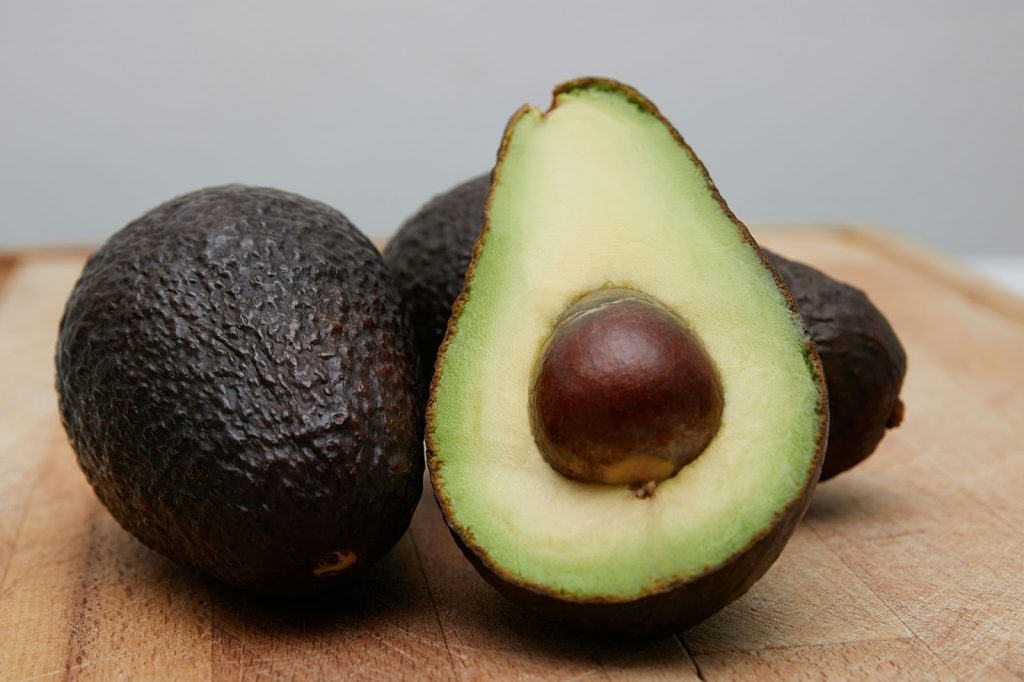
Kenya has been rated among the best exporters of avocados. It has a good climate, fertile soil, and talented farmers, making it the best place to produce quality fruit. The markets such as Europe, Asia, and the Middle East continue to increase demand.
Kenyan avocado imports demand proper planning and logistics. It is a sensitive fruit that can easily go bad when not handled well. All procedures, including harvesting and shipping, should be properly managed.
This guide provides some important logistics advice that will enable importers to maintain Kenyan avocados fresh, safe, and profitable throughout their farm-to-market journey.
Understanding the Supply Chain & Stakeholders
The transportation of avocados to other countries in Kenya has numerous players. They both play a part in ensuring that the fruit remains fresh and safe.
The avocados are grown and harvested by farmers. They only select mature fruits to prevent rotting during transit. Collection centres receive produce from various farms and transfer it to packing houses. This is where they sort, grade, and export avocados.
Shipping is done by exporters and freight forwarders. They ensure that all the documents and permits are in place. The cold chain operators store and transport the fruit at low temperatures. The avocados are delivered to importers and distributors, who deliver to the supermarkets or customers.
It is essential that all these players are well coordinated. Any delays or mishandling at any point may lead to damage or loss. Effective communication, training, and shared standards contribute to the quality of products produced by Kenya all the way to other markets across the globe.
Pre-Export Logistics (Kenya Side)
The export of avocados in Kenya undergoes a number of measures prior to their departure. The whole thing begins on the farm. The farmers pick mature fruit to avoid premature ripening during transportation.
The picked avocados are transported to packing plants. In this case, laborers sort, evaluate, and eliminate spoiled fruit. The finest are washed, cooled, and loaded to export. The reason why cooling is essential is that it slows down the ripening process and maintains the fruit’s firmness.
The boxes should be well-ventilated and robust enough to travel long distances. These labels are the name of the exporter, the variety, the weight, and the country of origin.
It is essential to have a cold chain set up properly. The avocados are kept in cold rooms and loaded into refrigerated trucks. Other documents prepared by exporters include the phytosanitary certificate, export license, and customs paperwork.
All these steps contribute to the minimization of waste and the safeguarding of quality. When properly done, the avocados will be fresh and ready for export markets.
Transport & Cold Chain Management
One of Kenya’s greatest challenges in exporting avocados is maintaining the right temperature when transporting the fruit. The fruit should remain cool until the importer receives it when leaving the packing house. Even a minor increase in temperatures will result in premature ripening, softening, or spoilage.
The majority are refrigerated trucks or reefers with an operating temperature of between +4 °C to +7 °C and a humidity of approximately 85-90%. This is a controlled climate, which retards ripening and maintains the fruit firm. The avocados need to be pre-cooled prior to transportation, as this, according to InspiraFarms, will increase the shelf life of the fruit by a few days.
At each stage, monitoring is necessary. To monitor the conditions in real time, exporters use temperature sensors and data loggers installed in containers. Notifications are dispatched when the temperatures do not follow a predefined range. Liners or ethylene filters are also used to absorb the gases of ripening in order to protect the fruit even more.
An example is the logistics company DSV, which transports avocados from Kenya to Europe using an entirely controlled cold chain. This makes sure that the fruit reaches the retail shelves in the best possible condition, that is, neither underripe nor overripe.
Choosing the Right Shipping Mode & Route
It is important that the Kenyan avocado exports are selected using the best mode of transport. The option influences prices, speed, and quality of fruits. Avocados are sensitive to time and temperature; thus, time and temperature are the most important.
Kenya uses air freight and sea freight as the primary methods of export. Air freight is quick and typically takes two to three days to Europe. It is expensive and is only suitable for high-value, ripened, or expedited deliveries.
Sea freight is slower, approximately 20 to 30 days, and less expensive for large-scale exports. Containers with controlled atmosphere are frequently used by exporters to delay the ripening process during sea transit.
These are some of the main considerations during route selection:
- Transit time vs. shelf life: Smaller routes preserve freshness and minimise artificial ripening.
- Cost vs. volume: Air freight is expensive in kilograms, whereas sea freight is suitable for large volumes.
- Reliability: Select ports and shippers that have experience when dealing in perishable items and have the least delays.
- Pre-cooling and preparation of containers: containers should be pre-cooled before they are loaded to avoid a temperature spike.
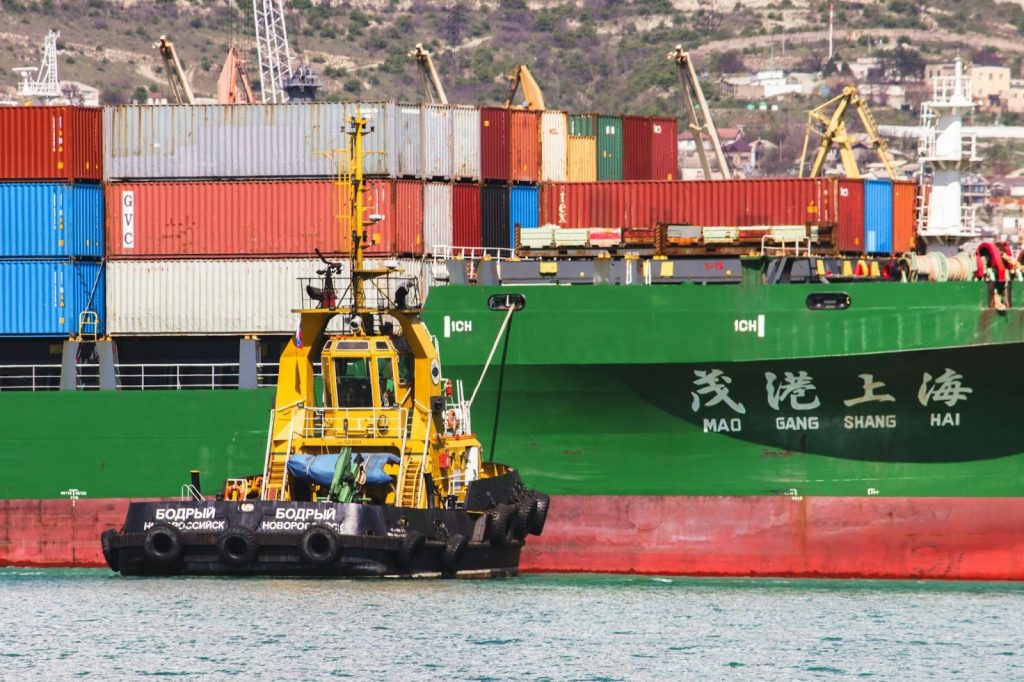
A large number of exporters rely on the Mombasa Port to transport products by sea and Jomo Kenyatta International Airport to deliver products via air. Both routes are coordinated with the help of reliable forwarders who deliver avocados fresh to markets such as the Netherlands and the UK.
Risk Management, Insurance & Quality Assurance
The export of avocados in Kenya experiences numerous supply chain risks. The fruit can easily be spoiled by delays, power failures, and a lowering of temperatures. This is the reason why it is important to manage such risks to make shipments profitable and reliable.
Exporters minimize risk by having backup power in cold rooms, GPS monitoring, and contingency plans in the event of a delay at the port or mechanical failure of a truck.
Another component of logistics is insurance. The majority of exporters opt to use cargo insurance to cover losses in transit. This assists in cases where goods are spoiled, stolen, or damaged by accidents.
Others take export credit insurance that covers the non-payment of the buyers. The right policy will make one financially safe even when things go wrong.
Quality check begins before the fruit comes out of the farm. Each consignment is checked, graded, and tested according to export standards. Checks are conducted randomly at the packing stage and prior to loading.
Other exporters employ third-party quality control companies to ensure that the avocados meet the demands of buyers. In situations where every party has clearly defined responsibilities in terms of clear contracts and Incoterms, the process of managing disputes becomes easier.
All these measures help the avocado exporters in Kenya stay reputable and offer the best quality fruit in the international market.
Market Entry & Post-Import Logistics
After avocados reach their destination country, it is important to handle them smoothly. The fruit should pass through customs without much time so that there is no delay that may affect freshness.
The importers complete documents beforehand, including the bill of lading, phytosanitary certificate, and the invoice. Shipments may be checked by customs officials to check their quality and for disease.
The collaboration with experienced import agents allows accelerating the work with clearance and minimizing the chances of storage expenses at the port.
Once they have been cleared, the avocados are sent to distribution centers or ripening plants. The ripening rooms apply controlled temperature and ethylene gas to provide even ripening in the fruit prior to their arrival at the supermarkets.
Timing is important, as in case the fruit is not ripe at the right time, it will not fetch. Distributors are also required to maintain a cold chain through refrigerated trucks.
Post-importation logistics involve quality inspection, labeling, and package modification for local retailers. Lot numbers of every batch are used by the importers to track the batch to facilitate traceability in case of complaints or recalls.
The Kenyan avocados stay fresh on shelves due to efficient distribution and shelf management. A good relationship between importers, retailers, and logistics firms will help Kenya maintain a high reputation for its avocados in international markets.
Conclusion
Kenyan avocado importation requires proper planning, good relationships, and temperature management. All the stages, starting with harvesting and concluding with final delivery, influence quality.
Quality logistic partners, adequate insurance, and frequent contact minimize risks and losses. Kenyan avocados, under proper management, reach world markets fresh, secure, and profitable, thereby enhancing Kenya’s status as one of the world leaders in the supply of high-quality avocados.